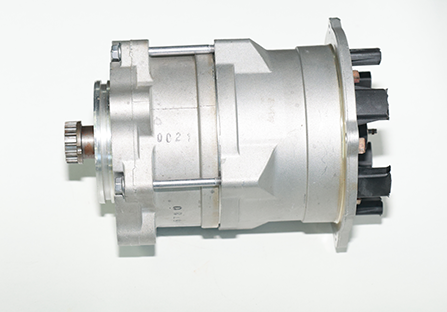
Dedicated motor for electric power steering, delivers steering assist torque to replace conventional hydraulic power assistance. It achieves light steering at low speeds and stable handling at high speeds, featuring energy saving, low noise and intelligent adjustability. Together with electronic control, it enables active return-to-center, lane keeping, parking assist and other functions.

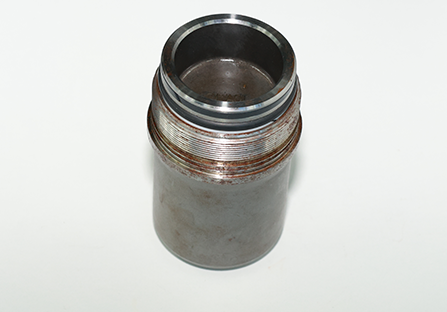
It stores hydraulic pressure, maintains pressure, supplements pressure in emergency and absorbs shocks. It stabilizes the hydraulic pressure of power steering, eliminates steering jerk and hysteresis. It provides temporary emergency steering pressure when the engine stalls or the pump fails, improving steering smoothness and safety.

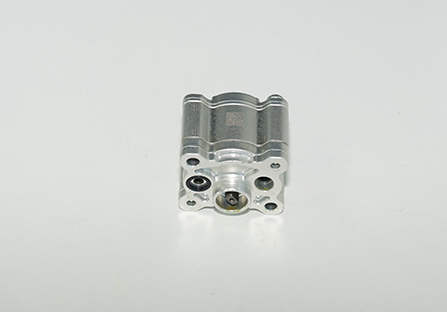
It sucks, pressurizes and delivers hydraulic oil / lubricating oil by volume change through gear meshing. Featuring simple structure, strong self-priming capacity, stable flow rate and oil contamination resistance, it realizes oil supply, pressure boosting, circulating lubrication and hydraulic power transmission.

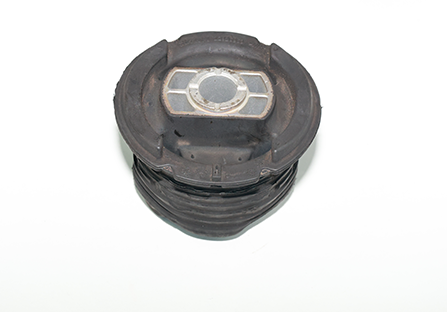
It absorbs shocks and vibrations, isolates noise and reduces rigid metal friction. It cushions road impacts and absorbs chassis vibration. It also performs positioning and limiting, compensates assembly clearances and protects suspension connecting parts to improve driving comfort and chassis durability.

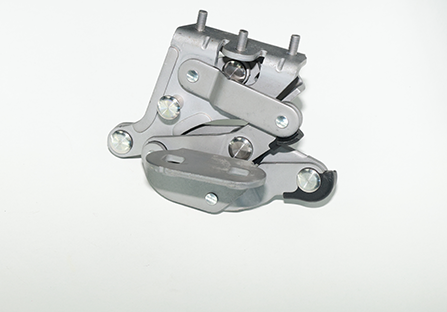
It serves as the movable connection and supporting spindle for the automobile rear wing, undertaking load-bearing during opening/closing, angle limiting and buffer positioning. It ensures smooth opening and closing, stable positioning and tight closing of the rear wing, while absorbing vibration, reducing noise and preventing rattling.

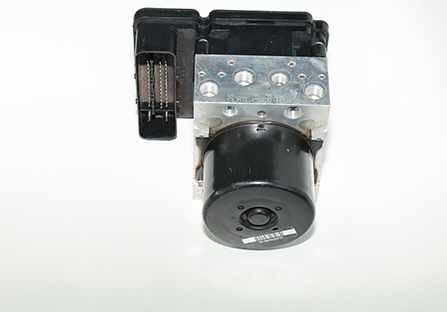
It prevents wheel lock-up and skidding during emergency braking, maintains controllable steering of wheels and avoids sideslip or tail flick. It shortens braking distance, enabling obstacle avoidance while braking and improving driving safety.

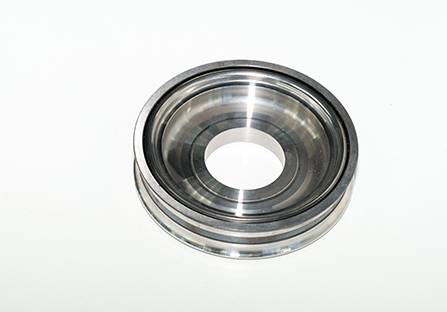
It supports wheel rotation and bears radial and axial loads of the vehicle body, reducing rolling friction during driving. It ensures smooth wheel rotation with zero play and no running deviation. Meanwhile, its sealing prevents dust and water ingress to extend the service life of chassis running components.

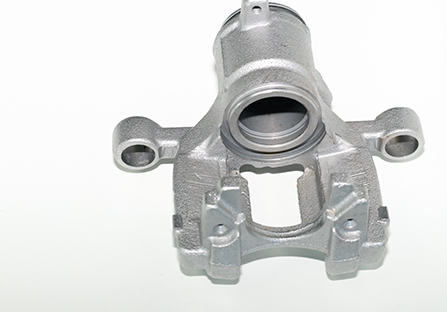
It is the core actuator of the braking system. It clamps the brake disc and presses the brake pads to generate braking force for vehicle deceleration, stopping and parking lock. It features heat dissipation, temperature resistance and thermal fade resistance to ensure responsive braking and driving safety.

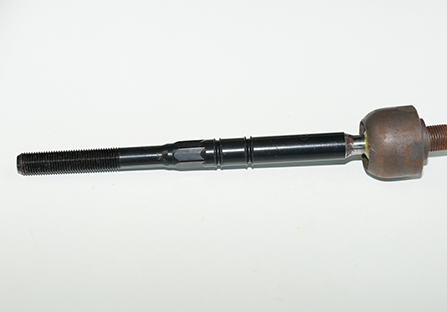
It connects the steering gear and tie rod end, transmits steering push and pull torque, compensates angles along with chassis bounce, and performs positioning of front wheel toe-in. It ensures precise steering and stable straight running, and reduces uneven tire wear.

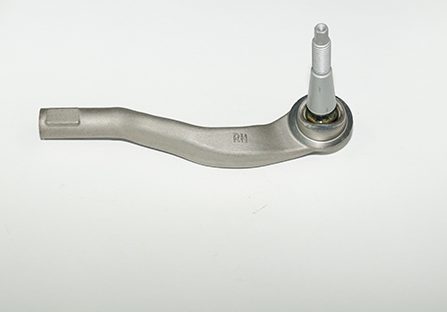
It connects the steering gear and steering knuckle, transmits steering tension, compensates for the bouncing angle of the chassis and provides cushioning via movable hinge joint. It delivers responsive steering with minimal clearance and absorbs shocks from road bumps, ensuring straight driving and zero play in steering.

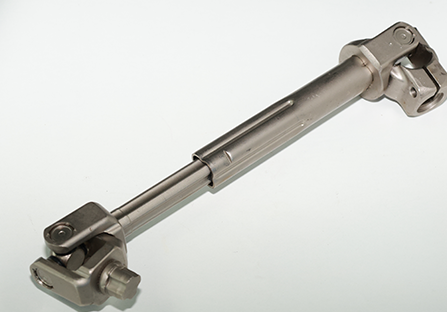
It realizes smooth power transmission under conditions of misalignment, angular offset and distance variation between two shafts, compensates angular deviation and axial displacement, transmits torque and dampens vibration, ensuring smooth transmission without jamming.

Encloses and protects battery cells and plates, provides electrical insulation, sealing against leakage, pressure resistance, explosion protection, corrosion resistance and thermal insulation. It fixes internal structures, prevents electrolyte leakage, and resists external impact, vibration and high-low temperature aging.

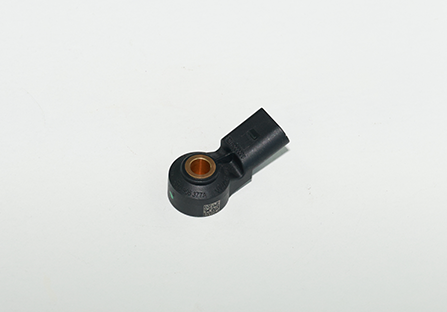
It monitors combustion knock and abnormal vibration in engine cylinders in real time, and transmits vibration signals to the ECU. The ECU retards ignition advance angle and corrects fuel injection in a timely manner to prevent engine knock, abnormal noise and shaking, avoid damage to pistons and connecting rods, so as to protect the engine while balancing power output and fuel consumption.

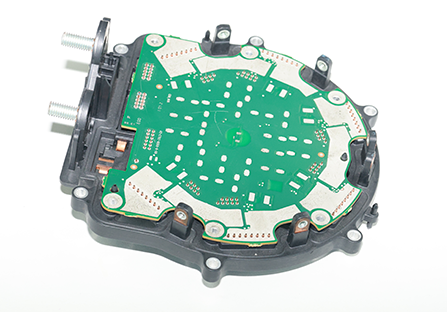
For fuel vehicles: It controls the start-stop, rotational speed, forward/reverse rotation and overload protection of various low-voltage auxiliary motors on fuel vehicles, accurately executes body electrical instructions and stabilizes the operating logic of motors for each mechanism. For new energy vehicles: As a core component of the three-electric system of new energy vehicles, it receives vehicle commands and precisely controls the start, speed regulation, torque output, forward/reverse rotation and energy recovery of the drive motor to achieve smooth power output and vehicle energy consumption management.

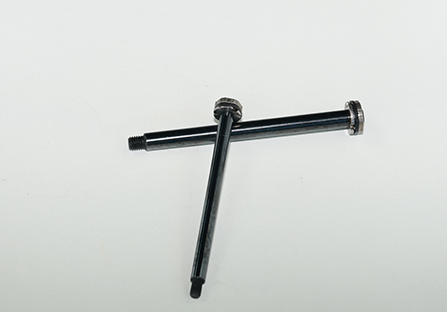
As the core force-bearing moving rod of gas springs, it delivers telescopic support, load buffering, guiding and limiting. Subjected to push-pull loads with wear-resistant and anti-corrosion properties, it enables smooth lifting, lowering and damped soft stop for hoods, tailgates and side doors.

It monitors vehicle speed, steering angle and body attitude in real time, automatically distributes four-wheel braking force and engine torque, suppresses understeer, oversteer and skidding, maintains stable vehicle trajectory and actively avoids loss-of-control risks.

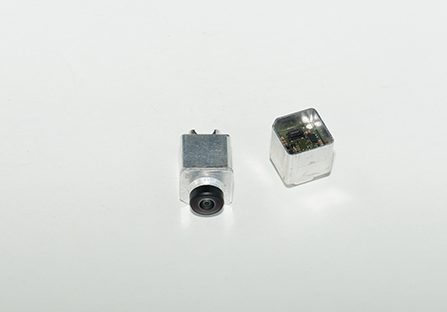
It captures high-definition real-scene images around the vehicle with excellent night vision, strong anti-glare capability and accurate color reproduction. It supplies visual recognition, parking video and driving assist image input to the vehicle, serving as the core component of onboard visual perception.

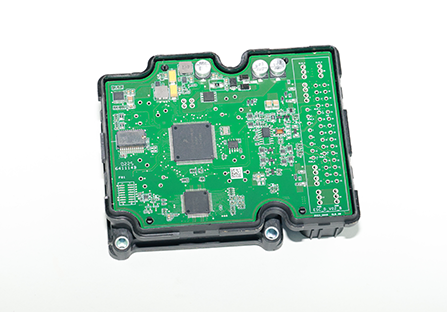
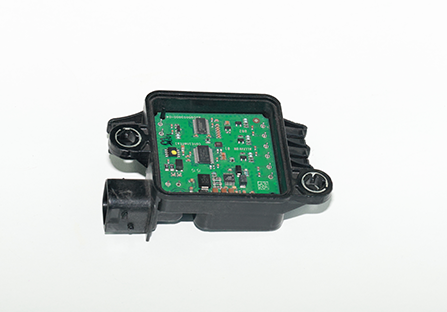
It receives and processes detection signals from millimeter-wave radar and parking radar, identifies the distance and position of surrounding vehicles, pedestrians and obstacles, and outputs ranging, warning and auxiliary braking signals to the vehicle. It acts as the core control unit for intelligent driving and parking safety.

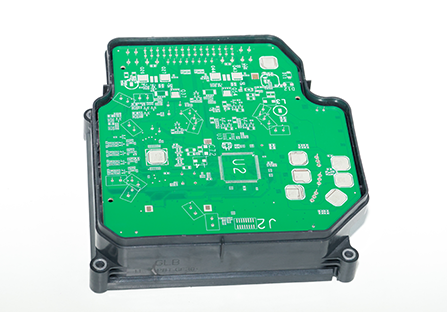
It integrates the main brake control, booster, ESC, ABS and ESP into one unit. As the core integrated controller for brake-by-wire systems of new energy vehicles, it delivers active boost, emergency braking, vehicle stability control and coordinated energy recuperation.

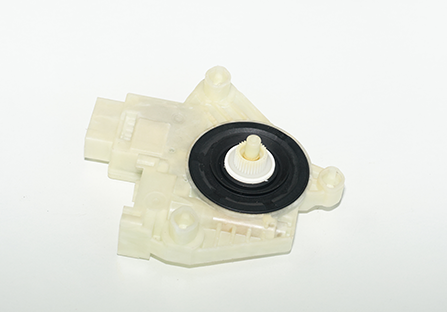
It drives the window glass to move up and down, enabling smooth start-stop and pinch protection with position limit for power windows. It serves as the core power unit for door glass lifting.

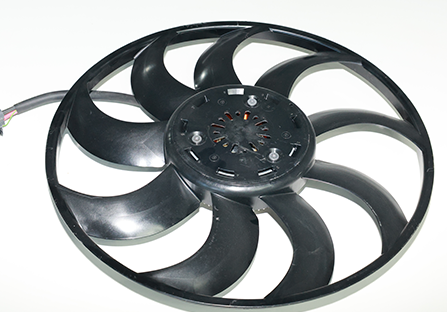
It drives the radiator fan and condenser fan to provide forced heat dissipation for the engine, transmission and air conditioning system. It controls and reduces temperature to prevent engine overheating and air conditioning cooling failure.

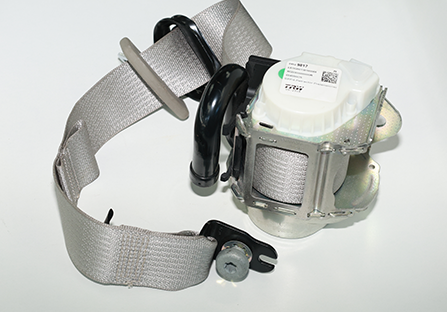
It automatically retracts and releases the seat belt and locks instantly in emergencies. During normal driving, the webbing extends and retracts freely following occupant movement. It locks immediately under hard braking, collision or vehicle tilt to restrain forward occupant movement. Together with the airbag and buckle, it forms a complete passive safety protection system.

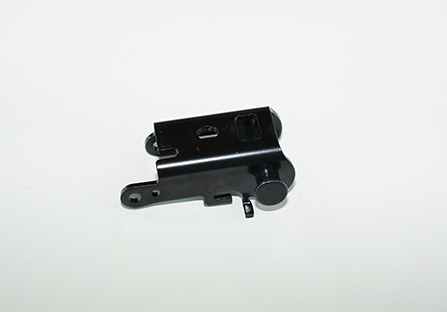
It enables quick insertion, extraction and locking of the seat belt, and secures and limits the buckle position. In the event of a collision, it locks firmly to restrain occupants, works together with the airbag for joint protection, and triggers the warning signal for unfastened seat belts.

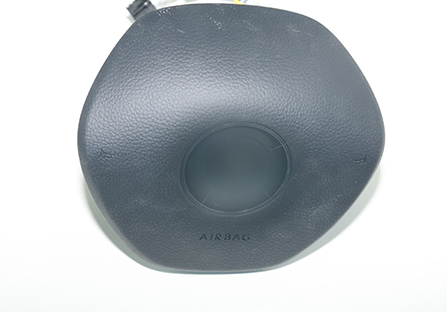
It inflates instantly upon vehicle collision to cushion impact on the driver’s head and chest. Together with the seat belt, it reduces the risk of severe injury and fatality. It integrates the vehicle horn button, combining safety protection and operating functions.

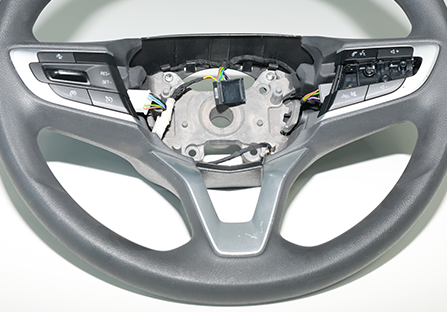
It controls the vehicle traveling direction and integrates control buttons, airbag and multi-function controls. It undertakes steering operation, driving safety and human-machine interaction.

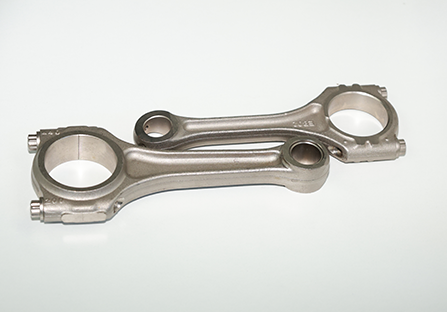
It connects the piston and crankshaft, converting the reciprocating linear motion of the piston into the rotary motion of the crankshaft. It withstands high-pressure explosive impact, tensile force, compressive force and alternating loads, serving as the core load-bearing transmission component of the engine.

It is mounted on the gearbox inside the shift mechanism. It limits shift travel, locks gear positions, prevents mis-shifting and gear jumping, and provides limiting guidance. It ensures crisp gear engagement, precise gear selection, no gear disengagement and false gear shifting.

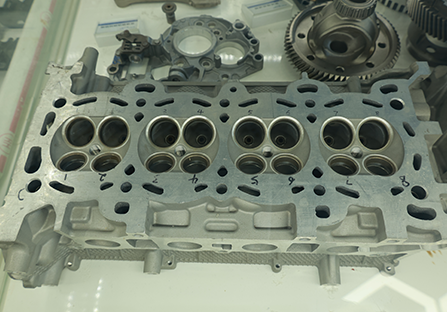
It is the core assembly on the upper part of the engine, integrating valves, camshafts, rocker arms, fuel injectors, spark plugs, water passages, oil passages, intake and exhaust passages. It performs air intake, exhaust, fuel injection & ignition, heat dissipation, lubrication and cylinder sealing, acting as the critical carrier for engine gas distribution and combustion.

It atomizes fuel precisely and injects it into the cylinder at a set time and quantity. Working with the Engine Control Unit (ECU), it enables complete combustion, lower fuel consumption, strong power output and compliant emissions.

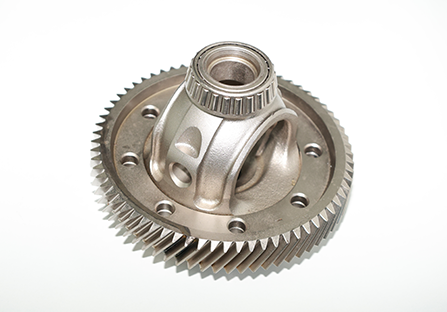
When the vehicle is cornering, drifting or travelling on uneven road surfaces, it allows the left and right wheels to rotate at different speeds to prevent tyre dragging, wear and stiff steering. Meanwhile, it distributes power to the left and right wheels, enabling synchronous rotation during straight-line driving and speed differentiation during cornering.

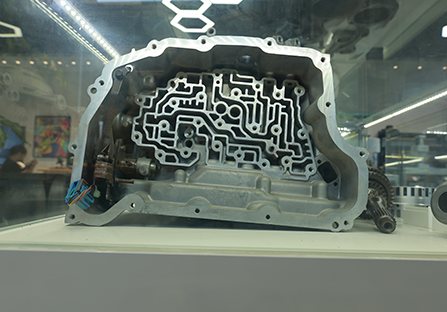
The transmission housing forms the main structural enclosure of the gearbox. It houses and supports gears, shafts, bearings, synchronizers, planetary assemblies and oil circuits. It undertakes load bearing, sealing, heat dissipation, positioning, vibration damping and protection, serving as the fundamental load-bearing component of the vehicle’s powertrain.

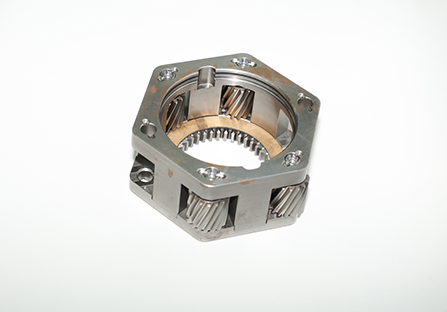
The planet carrier serves as the core framework of the planetary gear set. It mounts and retains the planet gears, bears torque and distributes power. It is a critical load-bearing transmission component for automatic transmissions, reducers and hybrid transmission systems.

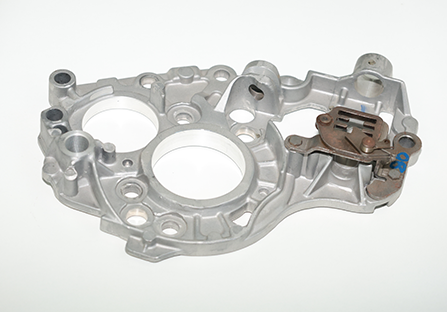
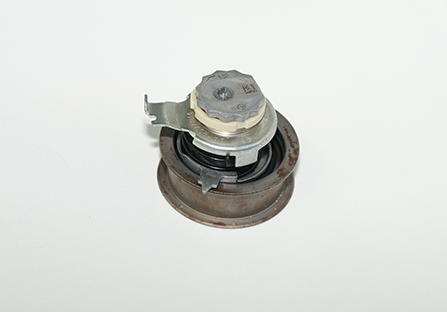
Maintains constant automatic tension for timing belts / timing chains to prevent tooth jumping, valve collision, timing deviation and abnormal noise. It compensates for belt elongation due to aging, thermal expansion and contraction, as well as engine vibration.

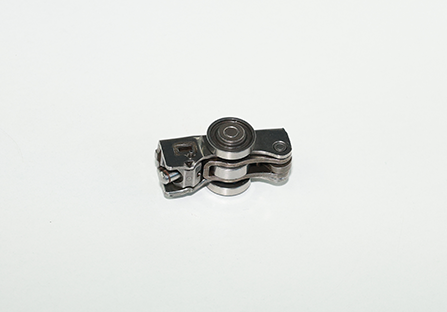
It replaces sliding friction with rolling friction and adopts hydraulic lash adjustment. Featuring low friction, high-speed capability, long service life and low noise, it is compatible with OHV and OHC engine valve trains.

AID: Front-end engine accessory drive train, consisting of crankshaft pulley, poly‑V belt, automatic tensioner pulley, idler pulley, alternator, air conditioning compressor, water pump and power steering pump. Its core function is to transmit engine power to drive all vehicle auxiliary components.
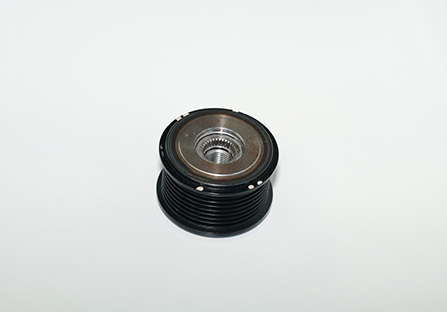
One-way Clutch: Transmits power only in one direction and freewheels in reverse for shock buffering. It isolates engine speed fluctuations, shift jitter and start-stop impact, protecting the belt, tensioner pulley, alternator and the entire AID front drive train.

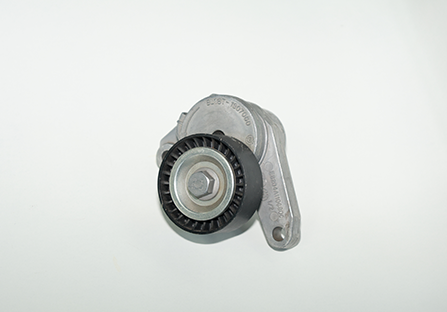
Automatically tensions the poly-V belt for alternator, air conditioner and water pump, preventing belt slip, noise and belt disengagement. It dampens vibration and compensates for belt elongation caused by wear.

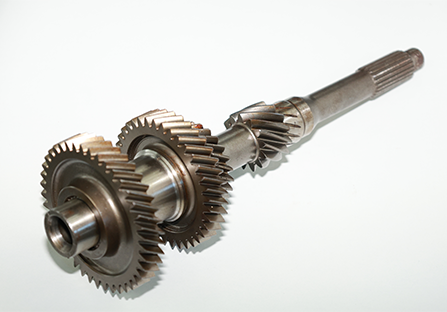
The transmission input shaft serves as the power input end. Its core function is to introduce torque from the engine or motor into the transmission, compatible with different vehicle models, gearbox types and industrial transmission applications.