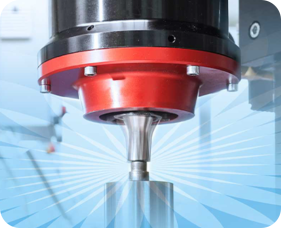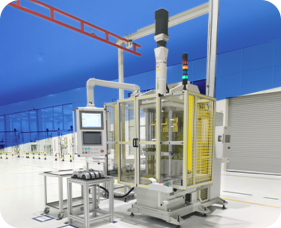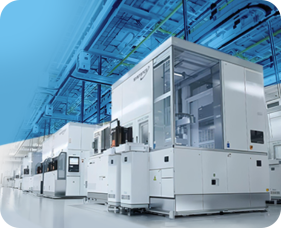

On the track toward high quality development in the new energy vehicle industry, the drive motor serves as the vehicle's "heart." Its assembly quality directly determines the vehicle's reliability and driving experience, and it is also the core foundation for industrial advancement. Among the various stages of drive motor assembly, the rotor insertion, housing fitting, and press-fit process is arguably the most demanding in terms of precision.
The Precision Requirements of Drive Motor Assembly
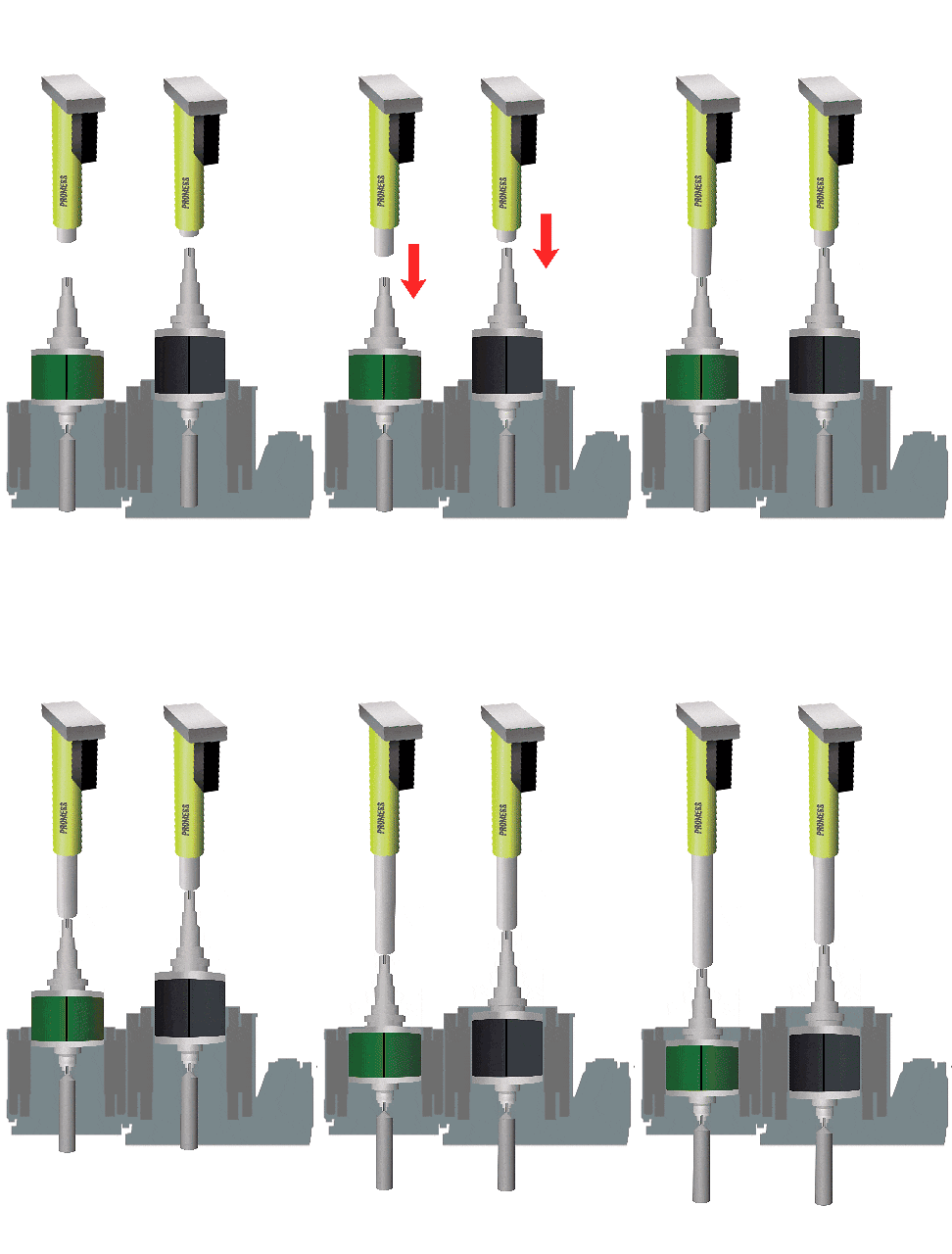
The challenge is clear: the rotor itself is strongly magnetic. During the process of inserting it into the stator, it is necessary to ensure a vertical descent to prevent magnetic pull and collision, while also achieving a successful fit. The difficulty escalates, especially in dual motor drive applications, where not only must two rotors descend vertically and synchronously, but the precise alignment and fitting of the entire end cover must also be guaranteed.
Dual Assurance: "Sensing + Control"
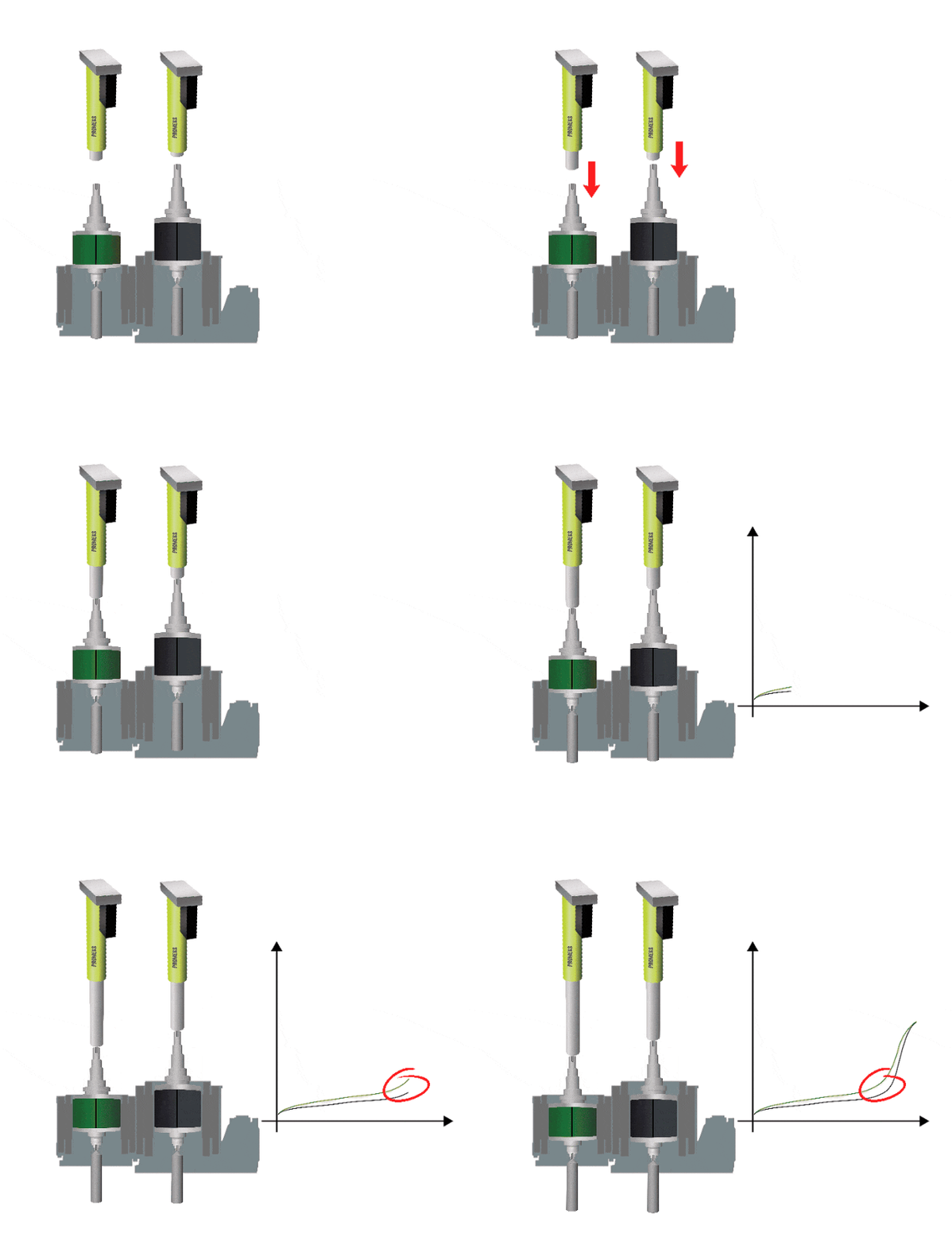
The key to solving this precision assembly challenge lies in the dual assurance of "sensing" and "control." Our multi axis synchronous control system, through high precision synchronous control, ensures that the press fit axis maintains an extremely high coaxial alignment with the stator's centerline. Building on this, the system continuously monitors the force displacement curve during the press-fit process, keenly capturing "inflection points" in pressure changes. This is akin to equipping the equipment with a sensitive "sense of touch," enabling real-time perception of assembly risks and timely resolution. Even the slightest tilt can lead to uneven force distribution some areas pressed too tightly, others with insufficient contact. This could ultimately result in defective products entering the market, embedding potential safety hazards.
The Precise Solution: The Multi-Axis Synchronous Control System
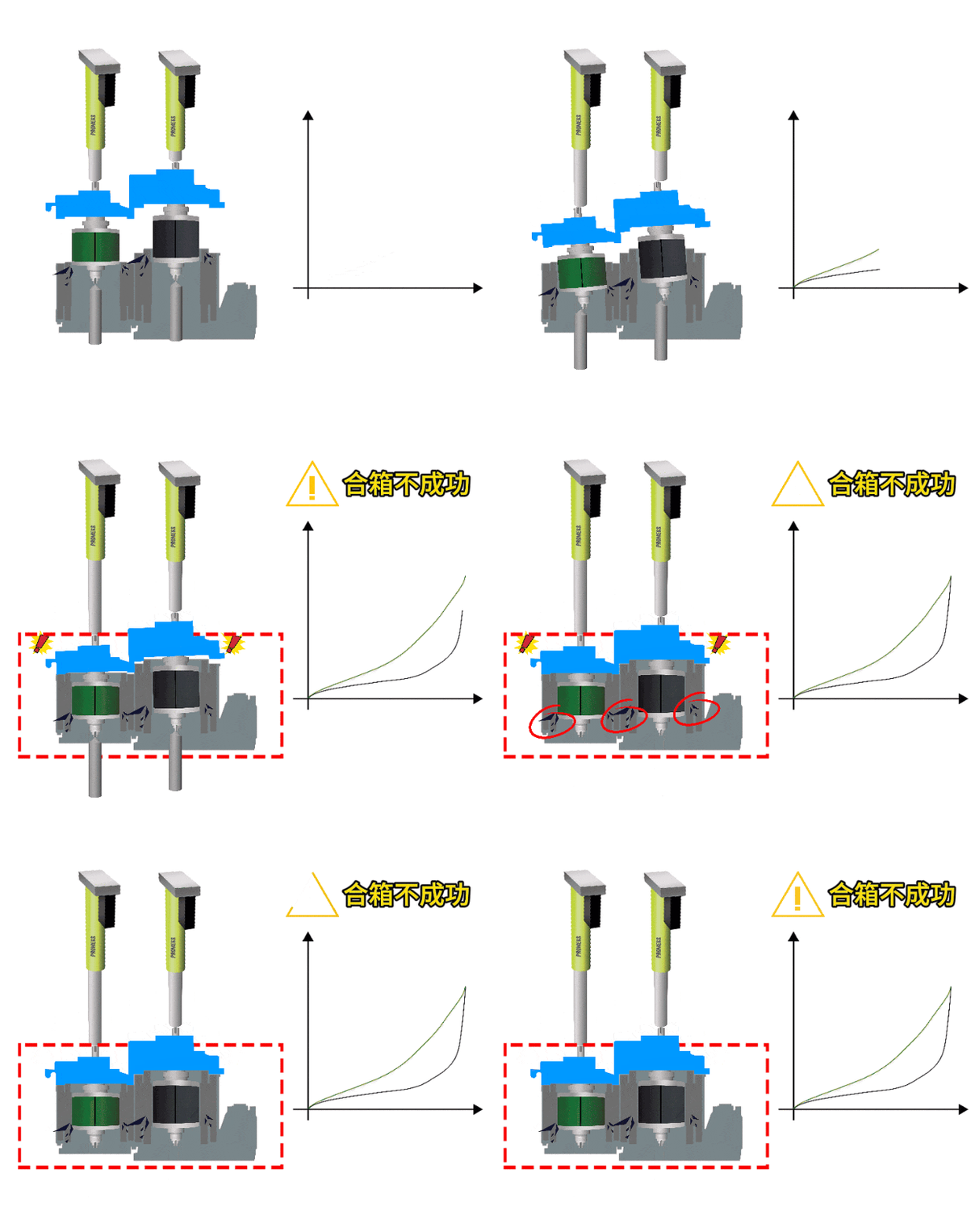
The multi axis synchronous control system is the precise answer to these pain points of accuracy and consistency. Relying on a sophisticated mechanical structure and closed-loop control algorithms, the system ensures that all test probes or press heads "advance and retreat together" with extremely high parallelism. It first controls the pressing speed for a "gentle" initial contact, then applies force uniformly to guarantee consistent pressure at every point. Its precise control over "micro forces" effectively prevents iron filings generated from collisions and friction, which could otherwise cause the motor to seize.
This core logic is highly applicable to precision processes such as motor press fitting and automotive battery side panel welding replacing traditional "blind pressing" and "brute force" with high precision synchronous control and real time feedback. This elevates the press fit process with "intelligent" and "compliant" upgrades, safeguarding product reliability and consistency from the very start.
In today's manufacturing landscape, which increasingly pursues precision, perfecting the seemingly simple act of "pressing down" is often the key differentiator for enterprises striving for quality breakthroughs.