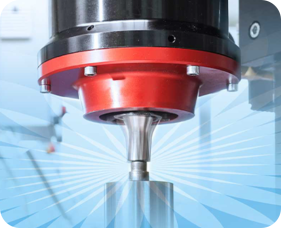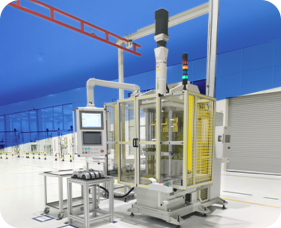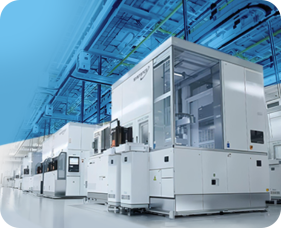

Insulin pens, auto-injectors, disposable syringes, and other injection systems have become indispensable and commonly used devices in modern healthcare. Their assembly quality directly determines whether the product can be used safely and reliably. Traditional press-fit processes are quickly reaching their limits in this regard particularly in terms of quality traceability, process repeatability, and equipment flexibility. The PROMESS press-fit module offers a modern, highly process-reliable solution that is not only more precise but also smarter representing a true technological innovation for manufacturers of medical systems.
The Increasingly Severe Challenges in Injection System Assembly
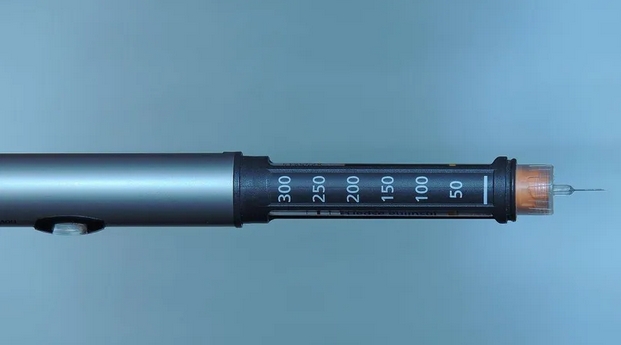
Extremely High Demands for Precision and Traceability
The assembly of medical products, especially injection systems, is a highly sensitive process. Every single component must be positioned precisely and pressed in with a defined force. Even the slightest deviation can lead to product malfunction, posing serious potential risks to the user.
Manufacturers currently face multiple challenges:
Continuously Increasing Product Complexity: Modern injection systems consist of numerous components such as plastic parts, springs, needles, and pistons, all requiring high-precision assembly.
Stringent Regulatory Requirements: Standards such as ISO 13485 and FDA regulations demand complete traceability and full process data documentation.
Cost and Efficiency Pressures: While quality requirements constantly increase, the processes must remain economical.
Lack of Transparency in Traditional Press-Fit Systems: Pneumatic presses or mechanical tooling can hardly monitor or trace the individual pressing process. Defects are often difficult to detect early and are only identified during complex final inspections.
This problem is particularly acute on automated assembly lines: where hundreds of products are manufactured per hour, an unmonitored process leading to batch defects can result in the scrapping of entire production batches causing significant financial losses and jeopardizing patient safety.
The Solution: CNC Press-Fit Modules
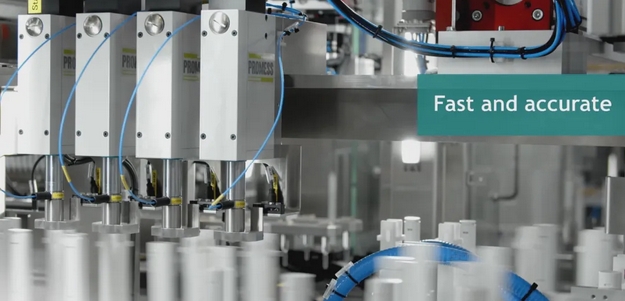
Precision, Intelligence, Verifiability
The CNC press-fit systems offered by PROMESS enable comprehensive monitoring and control of the pressing process.
These products combine electric servo drives with integrated force/displacement measurement. An intelligent control system collects and analyzes all measurement data in real-time during the pressing process, thereby simultaneously monitoring the assembly process and the quality of the pressed components.
How Does the System Work in Practice?
Using the assembly of an auto-injector pen as an example: The inner holder and spring need to be inserted into the housing. The spring must not be damaged during this process, and the housing must not be overloaded.
The PROMESS press-fit module enables:
Precise positioning of components through controlled ram movement.
Real-time force monitoring: The process stops immediately if the press-in resistance is too high or too low.
Complete documentation of each pressing cycle, including timestamp, force-displacement curve, and pass/fail judgment.
Integration into existing control systems and quality management systems via standard interfaces (e.g., OPC UA, Profinet).
Advantages Compared to Traditional Press-Fit Systems
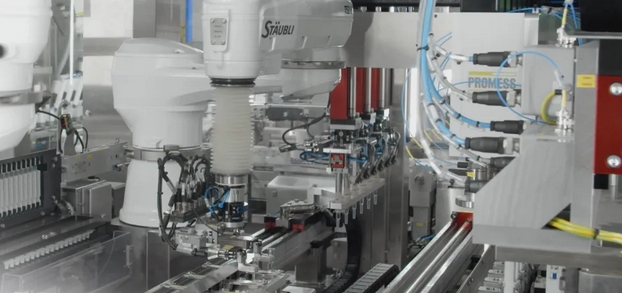
Compared to traditional pneumatic and hydraulic pressing systems, the PROMESS press-fit module offers a range of significant technical advantages.
Its core characteristic is the high process safety resulting from integrated real-time monitoring.
Traditional systems merely execute the movement without monitoring the process curve; the electromechanical press-fit module continuously captures force and displacement parameters, enabling:
Transparency of the entire process and result, allowing for early identification of defective parts or incorrectly positioned components.
Fulfillment of verifiability and traceability requirements in highly regulated industries, such as medical technology.
Automatic, complete archiving of all process data. Each pressing operation is clearly traceable, allowing for reliable reconstruction during audits or recalls.
Support for producing multiple product types on the same line thanks to the modular architecture. Process parameters (force, displacement, etc.) can be modified via software, eliminating the need for mechanical changeovers. This significantly reduces changeover time, increases productivity, and lowers operational costs.
Improved sustainability and cost-effectiveness. Reduced scrap, rework, and manual inspection often lead to a rapid return on investment. Compared to pneumatic solutions, energy consumption is significantly lower the electric drive only consumes power during the pressing action itself.
Practical Application Examples
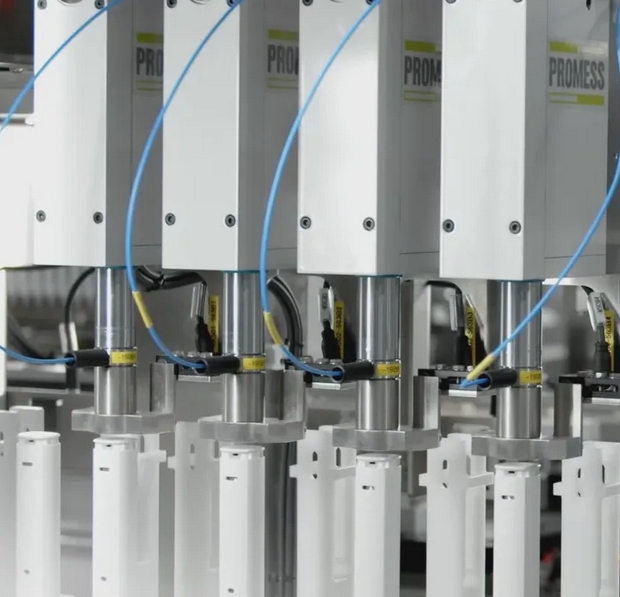
Insulin Pen Assembly: The Cap Must Snap into Place Precisely
During insulin pen assembly, the cap must be fitted precisely and snapped securely. Too much force can damage the mechanism; too little force results in insecure fastening.
Using the PROMESS system, the force-displacement curve is monitored precisely. Snapping anomalies are immediately identified, and defective products are automatically rejected.
Auto-Injector Spring Preload: Reliable and Repeatable
Correct spring preload force in the injection mechanism is critical: insufficient tension, and the medication cannot be injected properly; excessive tension makes the device difficult to control.
PROMESS allows for precise setting and monitoring of pressing parameters for spring assembly. This results in consistent quality, lower reject rates, and maximum patient safety.
Multi-Functional Testing Device for Pen/Auto-Injectors: Compliant with ISO 11608 Standards
Main functions:
Needle/safety cap pull-out force test
Activation/plunger force test
Locking force test
Injection depth measurement
Injection accuracy/dose accuracy testing
Measurement of the time required to completely expel the liquid from start to finish of injection
Display, recording, and analysis of audible start/end injection click sounds
Product Advantages & Features: This equipment integrates the PROMESS system, offering a compact design with a small footprint and an intuitive, user-friendly interface. The system supports database storage and real-time analysis of test data, ensuring process transparency and traceability. Products can be customized with specific configurations according to user URS requirements and can be certified for ISO 4 (DIN EN ISO 14644) cleanrooms, fully meeting the high standards of the medical device industry.
Integration into Modern Production Lines
PROMESS press-fit modules are specifically designed for automated production lines and can be easily integrated into PLC or MES systems via standard interfaces.
Using the accompanying software platform, users can:
Configure and save pressing process curves
Define tolerance windows
Perform real-time quality analysis
Generate reports for quality control and audits
Future-Oriented Press-Fit Technology Safeguarding Medical Safety
The assembly of injection systems is far more than just joining parts; it is a highly sensitive, verifiable process that directly impacts product quality and patient safety.
PROMESS CNC press-fit modules offer a future-proof solution, helping manufacturers meet both regulatory requirements and economical production goals.
By adopting intelligent press-fit technology, you not only stabilize your processes but also build trust: trust in the product, trust in the manufacturer, and ultimately, trust in the entire healthcare system.

About Shanghai SYSTENCE
Shanghai SYSTENCE deeply integrates the cutting-edge process technology of German "Hidden Champions" PROMESS in servo pressing and torque measurement, and Friedrich in radial riveting technology. As a high-tech enterprise with independent intellectual property rights and core technologies, Shanghai SYSTENCE has passed ISO9001 and ISO14001 system certifications, possessing solid R&D and manufacturing capabilities.
Shanghai SYSTENCE offers a rich product portfolio, covering basic equipment (presses, riveting machines, vision products, AI algorithms, data acquisition platforms, etc.), standard equipment/systems, as well as assembly and test lines and process islands.